
A face that reads as belonging, to a place, a family, a tradition. The styling is generational without being costume. Strangers register kindness first, then a quiet authority underneath. The archetype only goes wrong when it tries to look new.
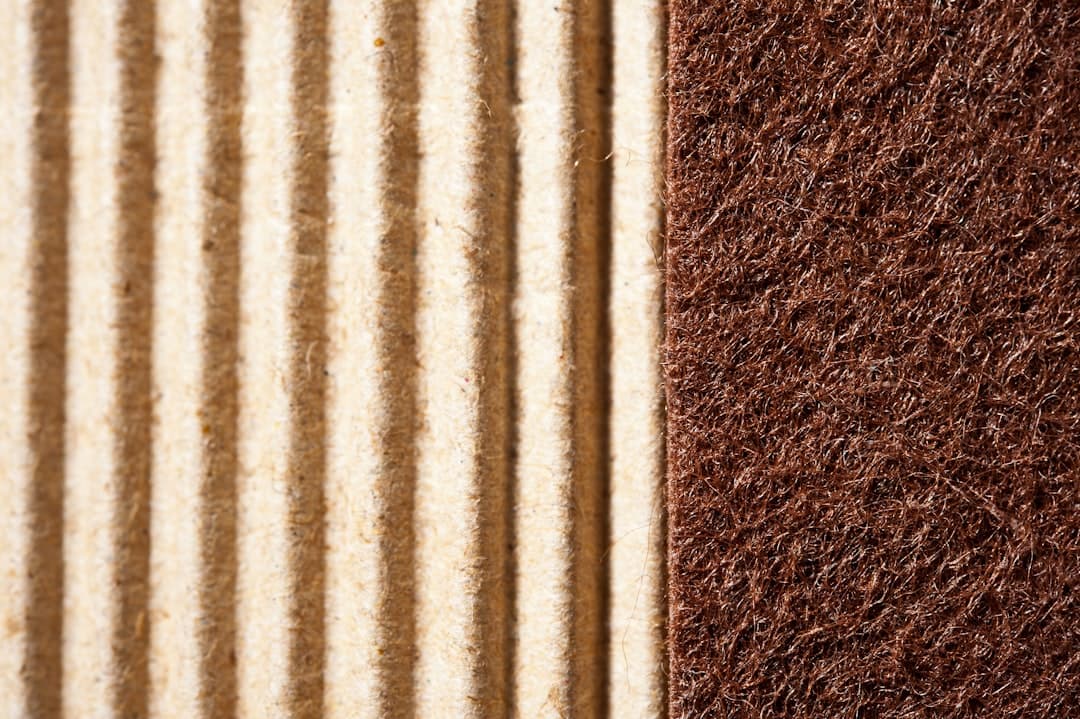
The perception
this face carries.
The room reads this face as someone who already belongs there. After refinement, the same quality reads as someone the room belongs to.
Where this archetype lives.
The archetype is not a label. It is an inhabitable universe, rooms, fabrics, watches, light. The page below is the inside of that world.
- 01A stone farmhouse in Provence, the long table outside
- 02A textile mill in Yorkshire, the rain holding off
- 03A wine cellar in Burgundy, the bottles older than the lamp
- 04A station café in northern Italy, the espresso machine louder than the conversation
Stone walls, exposed beams, terracotta floor worn shiny in places by feet.
A bowl of pears on the table. A coat hanging on the back of the door, kept, not chosen.
The Gentlewoman. Cabana. A long photo essay set in the off-season.
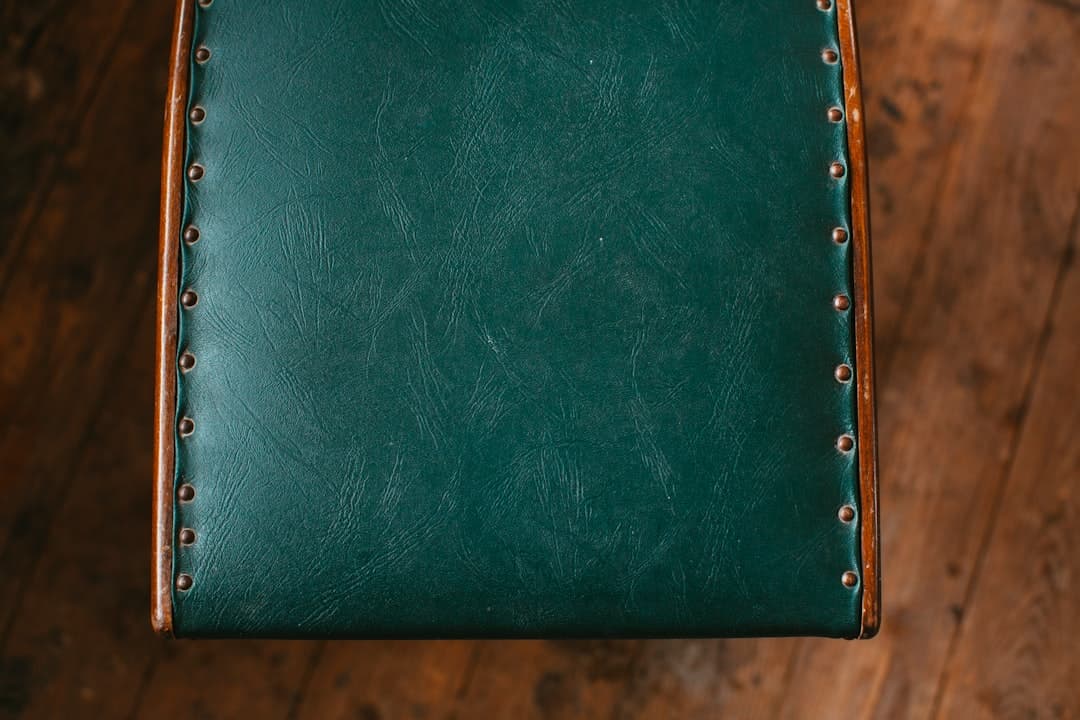
Six colours the
archetype lives in.
Calibrated against the archetype, not against trend. These six pull the face forward in any room they enter.
What the archetype
wears.
Tweed, cord, knit ties, worn cap-toe shoes. The clothing reads as inherited rather than acquired, and improves with the wearing.
Logos, technical fabric, brand-new leather. Anything that signals retail. The archetype rewards weight.
Side-part, sober length
Combed to one side, never the other. Trim every six weeks. Slight greying tolerated and often flattering. Cut by the same barber for ten years, ideally.
Tweed worn through one rain. A signet ring inherited rather than chosen. A pause before sitting down.
New-looking leather. Technical fabric. Anything that signals retail rather than time. The archetype rewards weight and punishes shine.
Walks like the room is familiar. Sits in the same chair when given the choice. The body reads as having belonged here for a generation.
Four seasons.
A lighter tweed. A linen jacket worn over a wool shirt. The dogs sleep outside again.
Cotton in earth tones, espadrille worn until they fall apart, a hat that is not new.
The home season, heavy tweed, brown brogues, a wool tie, the smell of woodsmoke at five o'clock.
A camel polo coat over a roll-neck. Leather gloves softened by the same hands for fifteen years.
A walk before the rain. Coffee at the kitchen table, the morning paper. A long lunch with people who have known each other longer than they remember. An afternoon walk. A book by the fire. Dinner cooked slowly.
- 01A village pub on a Wednesday afternoon
- 02An old café in a small Italian town, the espresso machine louder than the conversation
- 03A members' club's quieter room
- 04A wine merchant's tasting table
The world already articulated.
The artists, designers, and publications that have been rendering this archetype for decades.
- A Bigger Splash
- Brideshead Revisited
- The Leopard
- Phantom Thread
- Slim Aarons
- Bruce Davidson
- Henri Cartier-Bresson
- Annie Leibovitz's country portraits
- Loro Piana
- Brunello Cucinelli
- Drake's
- Anderson & Sheppard
- Cabana
- The Gentlewoman
- Country Life
- Apollo
The reader arrives wearing clothes that are too new. The protocol takes one season to teach them: buy less, keep longer, choose objects that improve with use. By the end of the year strangers begin to read them as someone whose family has been here a long time, even when the family has not.
What this archetype
reads beside.



Refinement here is not about looking older. It is about looking like the place you come from, only better lit.
Which archetype
is yours?
One photograph. Erased in twenty-four hours. The archetype your face actually inhabits, named in under two minutes.
Begin your reading- herophoto by Daniel Brubaker on Unsplash
- atmospherephoto by Florian Berger on Unsplash
- detailphoto by Markus Spiske on Unsplash